The thrill of uncertainty
The excitement of gambling at casinos is largely driven by the element of uncertainty. Players are often drawn to the unpredictable nature of games, such as slots and poker, where outcomes can change in an instant. This unpredictability triggers a psychological response that elicits feelings of excitement and anticipation, often described as a ‘rush.’ For many, the prospect of winning big against the odds is an enticing thrill that keeps them returning for more, especially when they find the best online casino with instant withdrawal options available. The highs and lows of gambling can mimic the emotional rollercoaster of life, making every visit to a casino an exhilarating experience.
This psychological phenomenon can be explained by the reward system in the brain. When individuals engage in gambling, their brains release dopamine, the feel-good neurotransmitter. This release reinforces the behavior, making players desire to experience that rush again. The anticipation of a potential win can lead to a heightened state of arousal, creating an addictive cycle where the brain craves the thrill of betting. As individuals begin to associate gambling with positive emotional experiences, they are likely to seek out these sensations more frequently, which can lead to increased gambling frequency and intensity.
Interestingly, the feeling of uncertainty is not exclusive to gambling; it can be seen in various aspects of life. Many people thrive on the instability of new experiences, whether it’s trying out a new restaurant or taking a chance on a new job. Casinos capitalize on this inherent human love for unpredictability, creating an environment where the possibility of a major win becomes a powerful lure. The design of casino games, often featuring bright lights and engaging sounds, enhances this uncertainty, ensuring that many are drawn into the world of gambling repeatedly, despite the inherent risks involved.
Social dynamics and community
The social aspect of gambling also plays a significant role in drawing people to casinos. Many individuals view gambling as a communal activity where they can bond with friends or meet new people sharing similar interests. Casinos often foster a vibrant social atmosphere, filled with laughter, conversations, and shared experiences. This sense of community can enhance the gambling experience, making it enjoyable beyond merely winning or losing. For instance, group games like blackjack create an interactive environment, allowing players to communicate and share strategies, which deepens their social connection.
The camaraderie found within casino walls can lead to powerful feelings of belonging and acceptance. People often gather around tables, sharing strategies and cheering each other on during a game, creating an environment that feels inclusive. This social interaction can be particularly appealing for those who may feel isolated in other areas of their lives. As they connect with fellow gamblers, the shared thrill of the game fosters friendships that may extend beyond the casino floor. The allure of being part of a community significantly increases one’s desire to frequent casinos.

Furthermore, organized events and tournaments hosted by casinos often enhance social dynamics. These events draw larger crowds, create opportunities for interaction, and build excitement among participants. The chance to meet new friends, exchange ideas, and share experiences in a lively setting contributes to the overall gambling attraction. The social fabric present in casinos transforms gambling from a solitary activity into a vibrant group experience, thus reinforcing the habit. This communal aspect serves as a powerful motivator for individuals to return to casinos, seeking both the thrill of gambling and the connections they forge within the community.
Escapism and entertainment
For many, visiting a casino represents an opportunity for escapism. Life can often be mundane and filled with routine; gambling allows individuals to step away and immerse themselves in a bright, exciting environment. The vibrant lights, alluring sounds, and energetic atmosphere create an enticing escape from everyday responsibilities and stressors. This change of pace can be invigorating, providing temporary relief from the pressures of daily life. Many players find that the casino atmosphere offers a unique form of entertainment, allowing them to forget their troubles, if only for a short while.
Moreover, casinos are designed to stimulate the senses, enhancing the entertainment experience. From thrilling games to glamorous performances, the environment is deliberately engineered to keep visitors engaged. This immersive experience can create a feeling of euphoria, enabling individuals to temporarily forget about their worries and experience joy. For those who engage in gambling as a form of entertainment, it can become a favored pastime that offers an outlet for stress relief and excitement. The sensory overload of a casino can be both captivating and rejuvenating, allowing individuals to recharge in a fantastical setting.
However, the line between healthy escapism and harmful addiction can be faint. As individuals turn to gambling to escape their problems, they may find themselves caught in a cycle where gambling becomes a coping mechanism rather than a form of entertainment. This reality highlights the importance of being aware of personal limits. While the thrill of gambling can provide temporary relief from stress, it’s essential to approach it with caution and mindfulness to ensure it remains a healthy and enjoyable activity. Recognizing the signs of unhealthy patterns is crucial, as it allows individuals to maintain control over their gambling habits.
Behavioral economics and decision-making
The principles of behavioral economics shed light on how people make decisions regarding gambling. Individuals often rely on heuristics or mental shortcuts when evaluating risk and reward in uncertain situations. For example, the gambler’s fallacy, which is the belief that past outcomes influence future results, can lead players to make irrational decisions based on their emotional connections to previous bets. This cognitive bias can skew their perception of chance and ultimately impact their gambling choices. Understanding these biases can be pivotal in navigating the complexities of gambling.
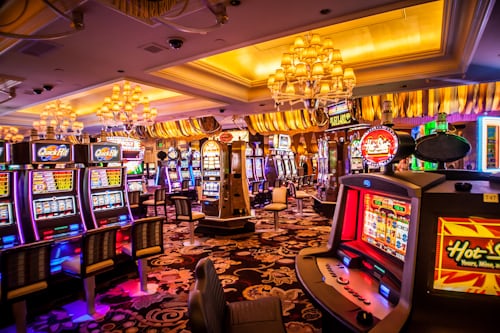
Additionally, casinos employ various psychological tactics to encourage spending. For example, the concept of “loss aversion” explains why players may continue to bet in efforts to recover previous losses. The pain of losing can be more significant than the pleasure of winning, resulting in persistent gambling behavior. This understanding enables casinos to design their games and environments in ways that enhance player engagement and prolong play, affecting decision-making processes. By framing games in terms of potential losses, casinos effectively manipulate emotional responses to create a compelling gambling experience.
Understanding the psychology of decision-making can empower gamblers to be more mindful of their choices. By recognizing the biases that can influence behavior, individuals can approach gambling with a more informed perspective. This awareness can help mitigate the risks associated with gambling, ensuring that it remains a fun and controlled experience rather than spiraling into problematic behavior. Educating oneself about the psychological aspects of gambling can serve as a valuable tool for maintaining a healthy relationship with casino activities.
Exploring resources and responsible gaming
As more individuals become interested in gambling, it’s essential to provide them with knowledge and resources that promote responsible gaming. Many casinos and gaming platforms are increasingly committed to educating their patrons about responsible gambling practices. By offering information on setting limits, recognizing signs of addiction, and the importance of taking breaks, they aim to create a healthier gambling environment. Programs designed to help individuals learn about their gaming habits can empower them to make informed decisions regarding their gambling activities.
Moreover, numerous organizations exist to support individuals dealing with gambling-related issues. These organizations offer resources, counseling, and support groups for those who may feel overwhelmed by their gambling habits. Raising awareness and promoting open discussions around the topic of gambling can help normalize seeking help, reducing stigma and fostering a supportive community. By providing robust support systems, individuals can find the assistance they need to navigate their gambling behaviors effectively.
In conclusion, understanding the psychology behind gambling at casinos helps both players and operators create a more enjoyable experience. By recognizing the motivations driving individuals to gamble, such as thrills, social interactions, escapism, and decision-making processes, stakeholders can do more to promote safer environments. As casinos continue to evolve, addressing the psychological aspects of gambling will be crucial to ensuring that the entertainment remains enjoyable and responsible. Ultimately, fostering a culture of awareness and responsibility can enhance the overall gambling experience for everyone involved.